Summit Mitigation Restoration: A Comprehensive Guide
- Get link
- X
- Other Apps
Introduction
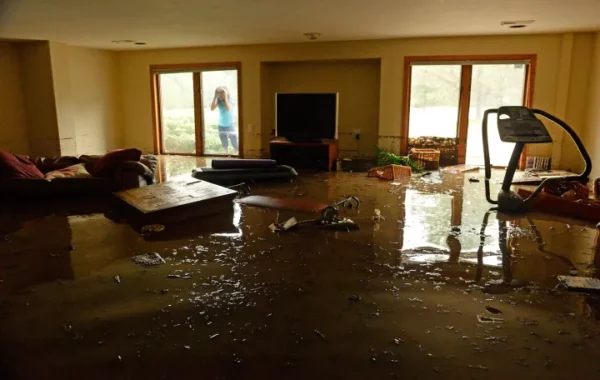
Summit Mitigation Restoration is the process of assessing, mitigating, and restoring properties that have been damaged by natural disasters, water intrusion, fire, mold, storms, or other environmental hazards. The goal is to minimize damage, protect occupants, restore structures to a safe condition, and prevent future losses.
As climate-related disasters become more frequent, mitigation and restoration services have become essential for homeowners, businesses, insurance providers, and government agencies. Professional restoration companies combine advanced technology, trained personnel, and industry standards to return damaged properties to their pre-loss condition while reducing long-term risks.
What Is Mitigation?
Mitigation refers to the immediate actions taken after a disaster to prevent additional damage.
Unlike restoration, which focuses on repairing existing damage, mitigation aims to stop the damage from becoming worse.
Common Mitigation Services
- Emergency response
- Water extraction
- Roof tarping
- Board-up services
- Structural stabilization
- Moisture control
- Debris removal
- Temporary power solutions
- Hazard containment
Benefits of Mitigation
- Reduces repair costs
- Prevents mold growth
- Protects structural integrity
- Increases occupant safety
- Speeds up insurance claims
- Minimizes business interruption
What Is Restoration?
Restoration is the process of repairing and rebuilding damaged property after mitigation has been completed.
The objective is to restore the building to its original condition—or even improve it through resilient construction methods.
Restoration Services Include
- Structural repairs
- Drywall replacement
- Flooring installation
- Painting
- Roofing repair
- Electrical restoration
- Plumbing repair
- HVAC restoration
- Interior finishing
- Complete reconstruction
Types of Damage Addressed
1. Water Damage
Water damage can result from:
- Burst pipes
- Flooding
- Sewage backups
- Appliance leaks
- Roof leaks
- Heavy rainfall
Restoration Process
- Inspection
- Water extraction
- Drying
- Dehumidification
- Sanitization
- Repairs
- Final inspection
2. Fire Damage
Fire causes destruction through:
- Flames
- Smoke
- Soot
- Water used during firefighting
Fire Restoration Includes
- Smoke removal
- Odor elimination
- Soot cleaning
- Structural repairs
- Content restoration
- Air purification
3. Mold Remediation
Mold develops where moisture remains for extended periods.
Common Causes
- Plumbing leaks
- Flood damage
- High humidity
- Poor ventilation
Mold Restoration Process
- Inspection
- Containment
- Air filtration
- Mold removal
- Cleaning
- Moisture correction
- Preventive treatment
4. Storm Damage
Storms can cause:
- Roof damage
- Broken windows
- Fallen trees
- Flooding
- Wind damage
Emergency Response
- Roof tarping
- Board-up services
- Debris removal
- Water mitigation
- Structural assessment
5. Biohazard Cleanup
Biohazard restoration includes:
- Crime scene cleanup
- Trauma cleanup
- Sewage cleanup
- Chemical contamination
- Infectious disease disinfection
Professionals follow strict health and safety regulations using specialized protective equipment and disinfectants.
The Restoration Process
Step 1: Emergency Contact
Customers report damage through emergency response services.
Response teams are often available 24 hours a day.
Step 2: Damage Assessment
Experts inspect:
- Structural damage
- Moisture levels
- Fire damage
- Mold growth
- Safety hazards
Advanced tools include:
- Thermal imaging cameras
- Moisture meters
- Hygrometers
- Drone inspections
Step 3: Mitigation
Immediate protective measures include:
- Water removal
- Drying equipment
- Roof covering
- Property securing
- Debris cleanup
Step 4: Cleaning
Specialized cleaning removes:
- Dirt
- Smoke residue
- Mold
- Contaminants
- Odors
Step 5: Restoration
Repair work may involve:
- Flooring
- Cabinets
- Drywall
- Roofing
- Insulation
- Painting
- Electrical systems
- Plumbing
Step 6: Final Inspection
Quality assurance confirms:
- Safety compliance
- Moisture control
- Structural integrity
- Customer satisfaction
Equipment Used
Professional restoration companies use advanced equipment, including:
Water Extraction
- Industrial pumps
- Wet vacuums
Drying
- Air movers
- Dehumidifiers
- Desiccant dryers
Moisture Detection
- Infrared cameras
- Moisture meters
Air Quality
- HEPA air scrubbers
- Negative air machines
Cleaning
- Steam cleaners
- Ozone generators
- Fogging equipment
Importance of Fast Response
Time is critical during property damage restoration.
Within 24 Hours
- Water spreads rapidly.
- Materials absorb moisture.
- Mold may begin developing within 24–48 hours under suitable conditions.
Benefits of Rapid Response
- Lower repair costs
- Reduced structural damage
- Less mold growth
- Faster business recovery
- Better insurance outcomes
Safety Considerations
Restoration professionals prioritize safety by addressing:
- Electrical hazards
- Structural instability
- Hazardous materials
- Airborne contaminants
- Biological hazards
Workers typically use:
- Protective suits
- Respirators
- Gloves
- Safety boots
- Eye protection
Insurance and Documentation
Most restoration projects involve insurance claims.
Proper documentation includes:
- Photographs
- Moisture readings
- Inspection reports
- Repair estimates
- Equipment logs
- Material inventories
Accurate records help streamline claims and support transparent communication between property owners, contractors, and insurers.
Preventive Measures
Property owners can reduce future damage by:
- Inspecting roofs regularly
- Cleaning gutters
- Maintaining plumbing systems
- Installing water leak detectors
- Improving drainage
- Sealing windows and doors
- Using sump pumps where appropriate
- Scheduling routine HVAC maintenance
Emerging Trends in Restoration
The restoration industry continues to evolve with new technologies and practices, including:
- Artificial intelligence for damage assessment
- Drone-based inspections
- 3D property scanning
- Smart moisture monitoring systems
- Eco-friendly cleaning products
- Sustainable rebuilding materials
- Digital documentation and project management
These innovations improve efficiency, accuracy, and environmental sustainability.
Why Professional Restoration Matters
Professional restoration providers offer:
- Rapid emergency response
- Specialized equipment
- Certified technicians
- Compliance with industry standards
- Comprehensive documentation
- End-to-end project management
- Coordination with insurance companies
Their expertise helps reduce secondary damage, improve safety, and restore properties more efficiently than attempting major restoration work without professional support.
Conclusion
Summit Mitigation Restoration encompasses the complete process of protecting, repairing, and restoring properties after disasters and unexpected damage. From emergency mitigation and water extraction to structural reconstruction and mold remediation, the process is designed to return buildings to a safe, functional, and livable condition.
Successful restoration depends on timely intervention, skilled professionals, advanced equipment, and careful planning. As extreme weather events and environmental challenges continue to increase, mitigation and restoration services play an increasingly important role in protecting homes, businesses, and communities. By investing in preventive maintenance and prompt professional restoration, property owners can reduce long-term costs, improve resilience, and safeguard the value of their properties for years to come.
- Get link
- X
- Other Apps
Comments
Post a Comment